CoreHorizon
Collection of classic tabletop games

Bring the Ultimate
Board Game to Your Table.

Discover clear, practical guides for Rummy, Carrom, Snakes & Ladders and Ludo. Learn the rules, understand the history, practise better decisions and create memorable game nights with friends and family.

Why they endure

Why classic games never go out of style

Traditional tabletop games keep people involved from the first move to the last. Their rules are usually simple enough to explain in minutes, but the choices, surprises and social interaction make every match feel different.

They also work naturally across generations. Children practise counting, patience and turn-taking, while adults enjoy strategy, friendly rivalry and a welcome break from everyday routines.

Whether played on a physical board at home or through a digital version with distant friends, these games continue to encourage conversation, laughter and healthy competition.

Featured Games

Four classics, four completely different experiences

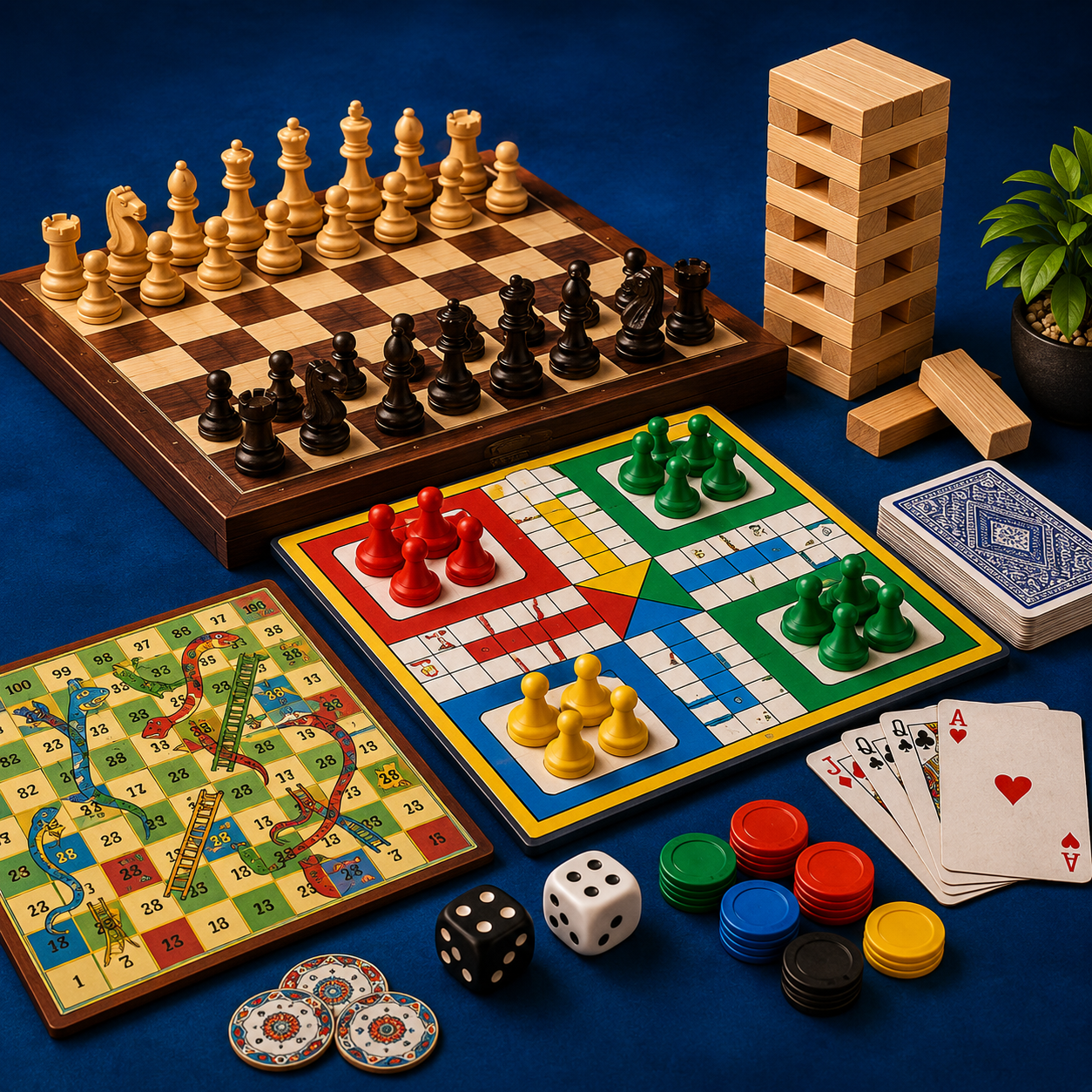
From card planning and precision striking to dice-driven surprises and tactical movement, every title offers its own rhythm and challenge.

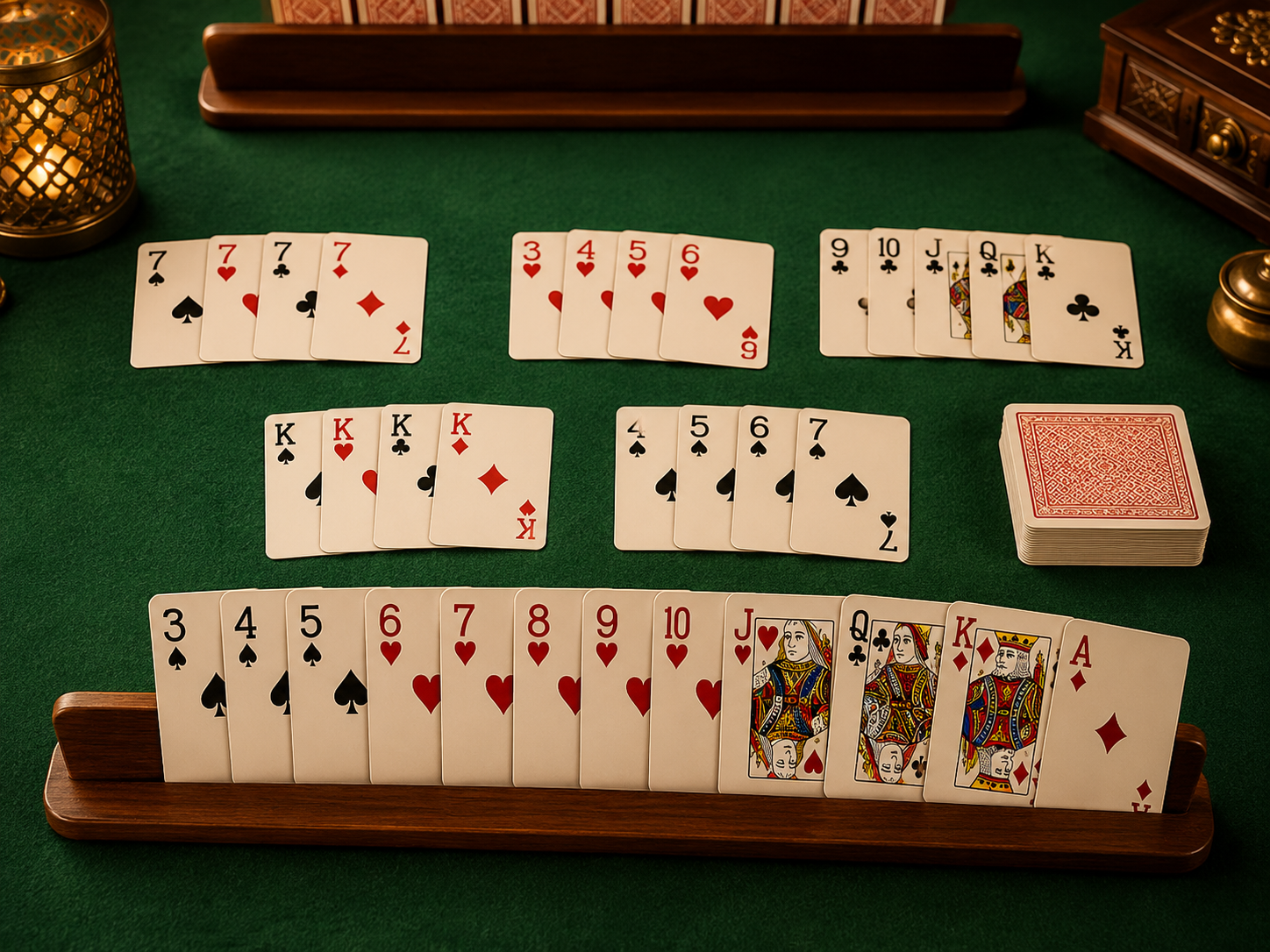
Rummy card game
Cards, memory and timing

Rummy

Rummy challenges players to organise cards into valid sets and sequences while following the changing flow of the table. Every draw creates a fresh decision: keep a useful card, discard safely or reorganise the entire hand.

Strong players watch discarded cards, remember what others may be collecting and avoid revealing too much about their own plan. The game rewards patience, observation and knowing when to complete a hand.

2–6 PlayersStrategyMemory
Aim, touch and control

Carrom

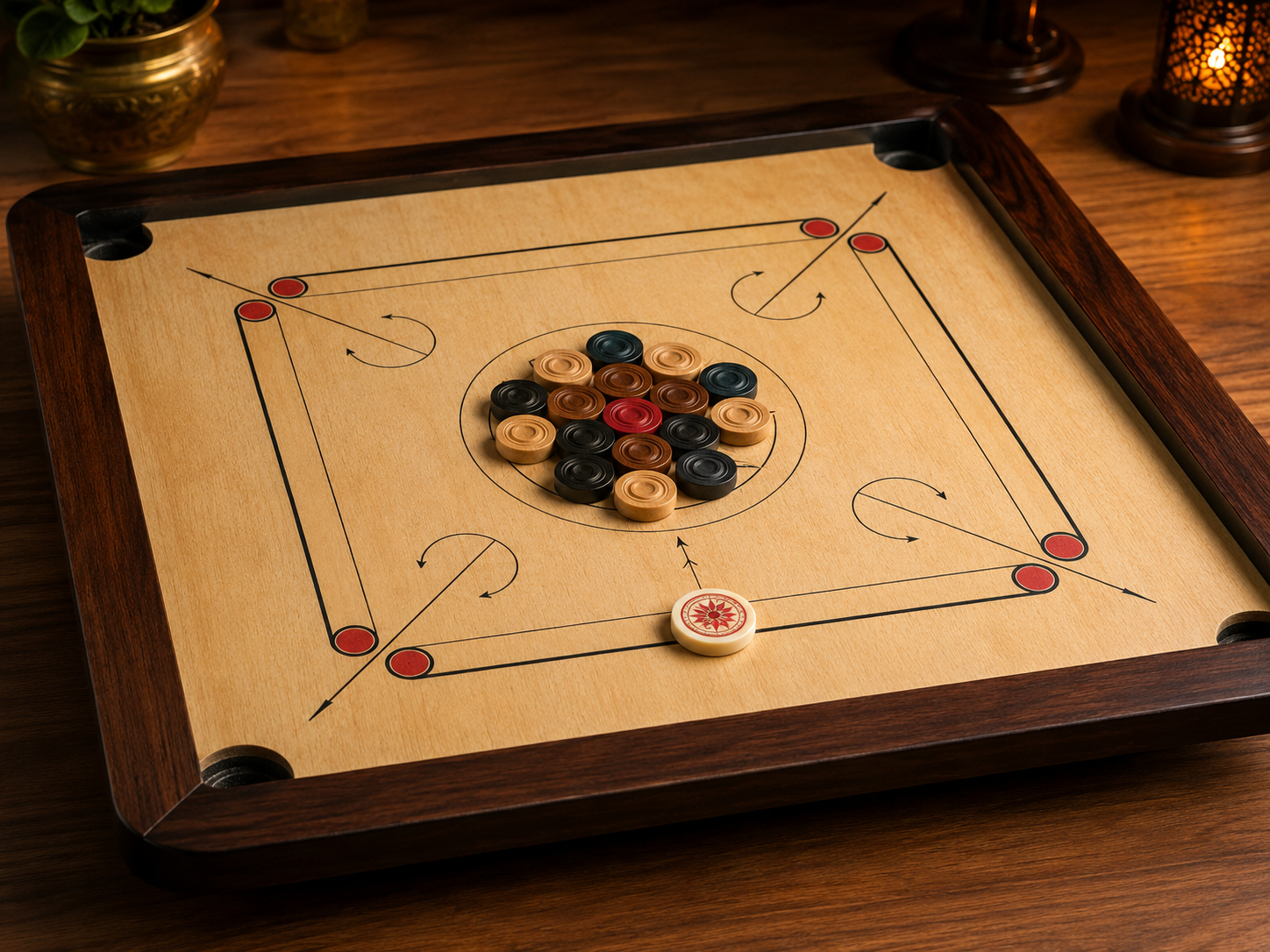
Carrom is a precision tabletop game where players flick a striker to pocket coloured pieces. A good shot depends on angle, force, positioning and the ability to prepare for the next move rather than thinking about one pocket alone.

As the board opens, players must balance attacking shots with defensive placement. Calm technique and repeated practice gradually improve accuracy, control and confidence.

2–4 PlayersPrecisionFocus
Carrom board
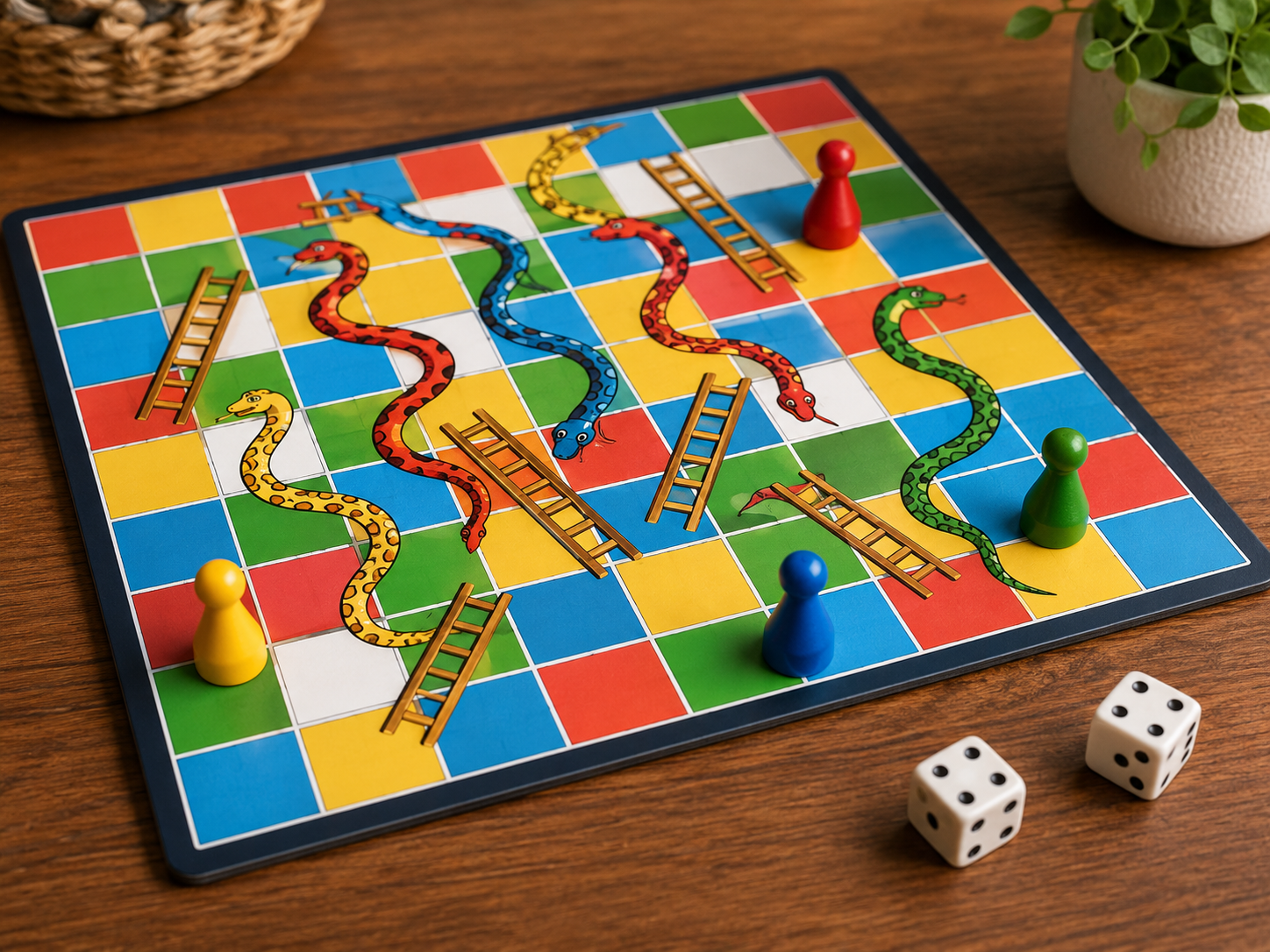
Snakes and Ladders board
Luck, suspense and resilience

Snakes & Ladders

Players race toward the final square, climbing ladders for sudden progress and sliding down snakes when fortune changes. Because every roll can transform the board position, the game creates constant suspense without complicated rules.

For younger players, it naturally supports counting, patience and learning to accept setbacks. For families, it provides quick rounds, easy participation and plenty of dramatic comebacks.

2–6 PlayersEasy RulesFamily Fun
Movement, protection and timing

Ludo

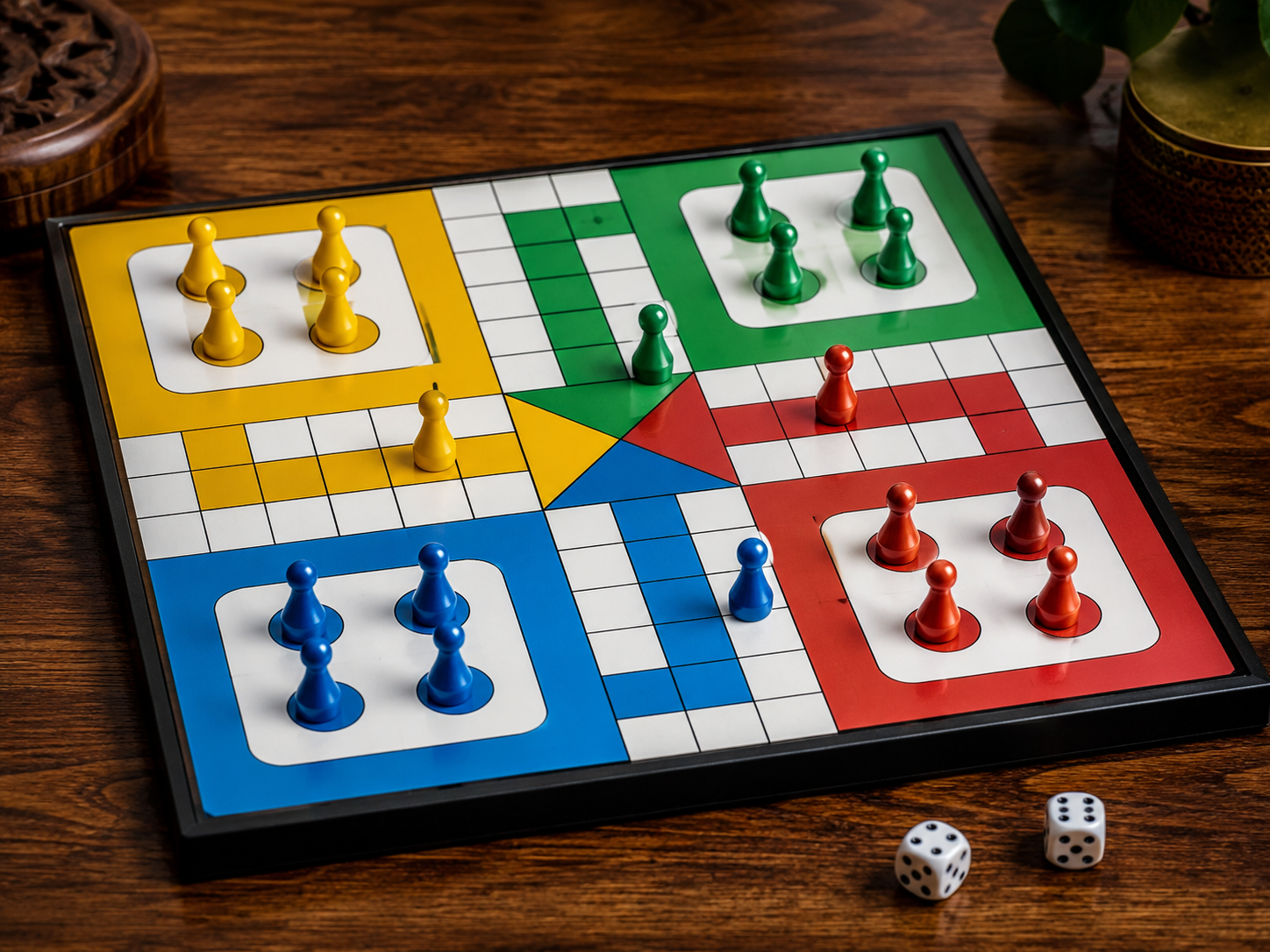
Ludo asks each player to guide four tokens from the starting area to the centre of the board. Dice rolls create opportunity, but choosing which token to move gives every turn a useful layer of strategy.

Players can spread risk across several tokens, protect important positions or challenge an opponent at the right moment. The combination of chance and simple tactics makes every match lively and replayable.

2–4 PlayersTacticsReplayable
Ludo board
History & strategy

Old ideas that still create fresh decisions

Classic games survive because their foundations are simple while their social and strategic possibilities keep changing.

A long tradition of play

Race games, card games and skill-based tabletop games have been adapted across cultures for generations. Their names and designs may change, but the central idea remains the same: bring people together around clear goals and shared rules.

Smart choices improve results

Luck influences many classic games, but thoughtful decisions still matter. Watching opponents, protecting strong positions, managing risk and planning beyond the current move can improve consistency.

Traditional and digital play

Physical boards create face-to-face interaction, while digital versions make it easier to play across distance. Both formats preserve the rules, competition and excitement that made the games popular.

Simple process

Learn any game in four practical steps

Start with the goal, understand the order of play, practise the important choices and review each match. This method makes unfamiliar rules easier to remember and apply.

01

Know the objective

Begin with the exact win condition. Once players understand what success looks like, every other rule becomes easier to place in context.

02

Understand each turn

Learn what a player may do, what is not allowed and what signals the end of a turn. A short demonstration round often helps more than a long explanation.

03

Practise the key decisions

Identify the choices that influence the result most: which token to move, which card to discard, which shot to attempt or when to play safely.

04

Review and improve

After a match, discuss turning points and alternative choices. Small observations build confidence and make the next game more enjoyable.

More than entertainment

Why tabletop games still matter

Regular game time can support learning, communication and stronger relationships while giving everyone a relaxed way to enjoy time together.

Sharper thinking

Repeated play encourages memory, observation, counting, planning and decision-making in a natural, enjoyable setting.

Better connection

Players talk, react, negotiate and celebrate together, creating shared experiences that continue after the board is packed away.

Healthy competition

Games provide a safe way to practise fairness, patience, resilience and respectful reactions to winning or losing.

Stress relief

A friendly match creates a useful break from routine and encourages laughter, focus and positive social interaction.

Learning through play

Children can build confidence with numbers, rules and turn-taking, while adults continue practising flexible thinking.

Endless replay

Changing dice rolls, card combinations, board positions and player decisions make every session feel different.

Questions

Frequently asked questions

Use these quick answers to choose a suitable game, introduce new players and plan an enjoyable session.

Bring everyone together for the next game.

Choose a classic, explain the goal, play a relaxed practice round and let the conversation, competition and memorable moments begin.

Browse Games